
The Cracks in the House
On renovation, doubt, marriage, and the quiet pressure of trying to rebuild a life

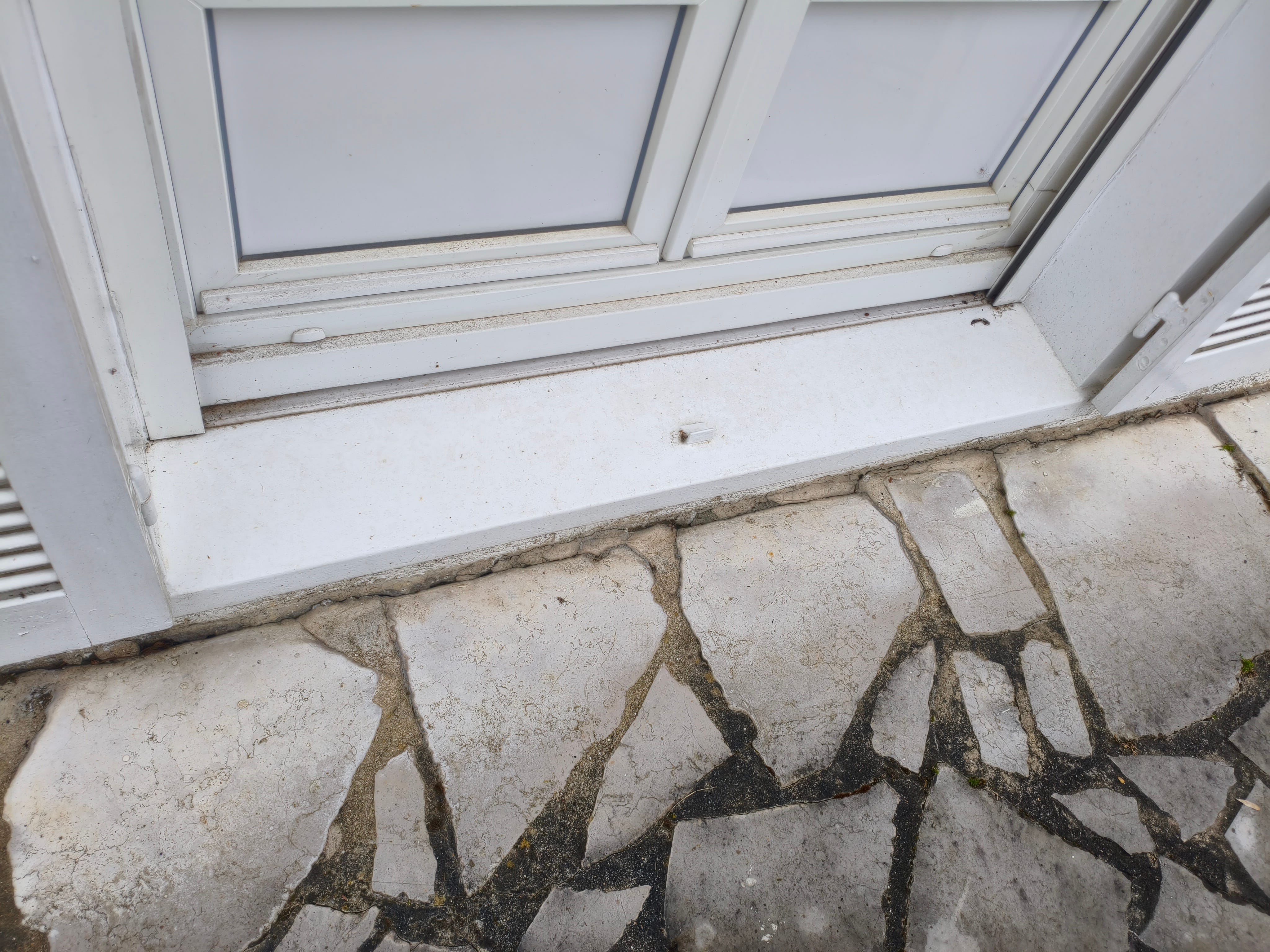
When we bought the house, I thought the hardest part was over.
The search.
The visits.
The negotiations.
The documents.
The doubts.
The signatures.
All of it had led to this.
A house.
Not just walls and rooms.
A future.
A place for my wife.
A place for my baby boy.
A place where the life I had rebuilt could finally take shape in something physical.
A door.
A garden.
A room for him to grow.
A kitchen where ordinary mornings could happen.
After everything I had lived through, buying a house felt almost impossible to explain.
Six years ago, I could barely imagine surviving.
Now I was standing in front of a home that needed work, yes, but was ours.
That word still does something to me.
Ours.
But nobody tells you how quickly a dream can become pressure.
Because the moment the house became real, the renovation became real too.
Electricity.
Painting.
Insulation.
Parquet.
Windows.
Kitchen.
Not a small refresh.
A complete renovation.
The kind of renovation that looks exciting in imagination and terrifying in spreadsheets.
At first, I approached it the way I approach most things.
Research.
Compare.
Understand.
Plan.
Challenge assumptions.
Build the logic.
I called contractors.
Many of them.
I asked for quotations.
I compared details.
I studied materials.
I looked at sequencing, risks, costs, timelines, dependencies.
And slowly, something became obvious.
A lot of the quotations were not precise enough.
Some were too vague.
Some did not match the real scope.
Some lacked seriousness.
Some needed modifications that never came.
Some people simply disappeared after the first exchange.
And when you are about to put your family’s future, money, and peace into the hands of someone else, vagueness becomes expensive.
Not just financially.
Emotionally.
Because every unclear quotation carries a hidden fear:
What if they start and disappear?
What if they underestimate the work?
What if the cost explodes?
What if the quality is bad?
What if we trust the wrong person?
At some point, after too many calls and too many disappointing answers, an idea started forming in my mind.
What if I do part of it myself?
Not everything.
Not recklessly.
Not pretending I am a professional craftsman overnight.
But part of it.
The parts I can learn.
The parts I can prepare properly.
The parts where research, discipline, patience, and execution can matter.
Painting.
Some preparation.
Maybe flooring.
Maybe insulation support.
The work that requires seriousness more than magic.
I did not come to that idea lightly.
I researched.
I watched.
I compared.
I calculated.
I broke the work down by phases.
I looked at tools, materials, risks, techniques, order of operations.
I asked myself honestly:
Can I do this?
What should I not touch?
Where do I need a professional?
What would be dangerous?
What would be realistic?
What would be stupid pride?
Because there is a difference between courage and ego.
And I am trying very hard not to confuse the two.
Maybe part of me believes I can do it because I have seen renovation before.
When I was younger, I helped my father with work in our childhood home.
I remember the smell of dust.
The sound of tools.
The patience required to prepare a wall before anyone admires the paint.
I remember that renovation is not glamorous.
It is repetitive.
It is physical.
It is uncomfortable.
It punishes impatience.
But it also rewards people who are willing to learn, prepare, and keep going.
And maybe that stayed inside me.
Maybe that is why the idea of doing part of this work myself does not scare me the way it scares other people.
To me, it feels difficult.
But not impossible.
And after everything I have rebuilt in my life, I have learned to respect difficult without worshiping it.
Difficult is not the same as impossible.
But this is where the story becomes harder to write.
Because the house is not the only thing under pressure.
My wife does not see it the same way.
And I understand that.
I really do.
From her side, this is not a heroic rebuild story.
It is her life too.
Her home.
Her money.
Her comfort.
Her stability.
Her baby.
She is not looking at this renovation as a personal challenge or a symbolic mission.
She is looking at it as risk.
Dust.
Delays.
Mistakes.
Exhaustion.
A husband taking on too much.
A house becoming a battlefield instead of a home.
And maybe she is right to be afraid.
That is the part I have to admit.
Because when you are ambitious, driven, and used to carrying pressure, you can sometimes mistake other people’s fear for lack of faith.
But sometimes fear is just love trying to protect the family from chaos.
Still, it hurts.
It hurts when the person you want beside you starts sounding like she is standing across from you.
It hurts when every suggestion feels doubted before it is understood.
It hurts when you have spent hours researching, comparing, planning, and trying to reduce uncertainty, only to feel like everyone around you sees only the risk and none of the effort.
It hurts when you are not asking to be blindly believed, but you are asking not to be automatically dismissed.
That is the honest truth.
I can handle difficulty.
I can handle work.
I can handle fatigue.
But doubt from the people closest to me hits differently.
Her parents also have their view.
They are worried.
They question things.
They doubt decisions.
They challenge suggestions.
And again, I can understand the logic.
They want safety.
They want their daughter protected.
They want the house done properly.
They do not want us to suffer through a renovation that becomes too much.
But understanding someone’s concern does not mean it does not hurt to be constantly questioned.
Especially when you know you are not improvising.
I am not walking into this blindly.
I am not saying, “Trust me” with empty hands.
I am saying, “Look at the research. Look at the plan. Look at the phases. Look at what I am willing to outsource. Look at what I am willing to learn. Look at what I am not pretending to know.”
There is a difference between being reckless and being underestimated.
And right now, if I am honest, I feel underestimated.
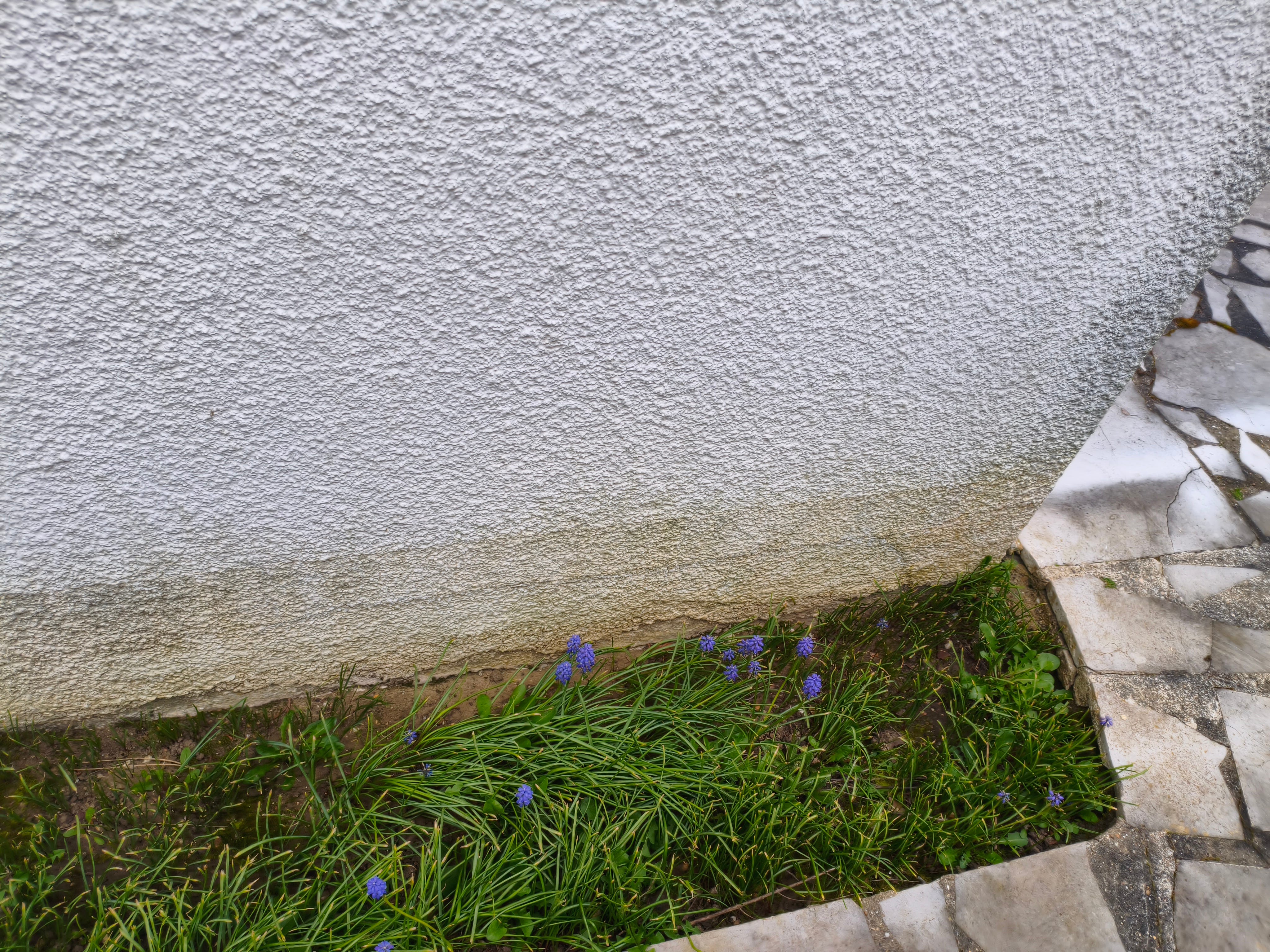
I started by looking for cracks in the house.
Structural signs.
Walls.
Terrace.
Openings.
Movement.
Old repairs.
The kind of things you check because you want to know whether the foundation is sound.
But lately I have wondered whether I am looking at the wrong cracks.
Maybe the real question is not only:
Is the house stable?
Maybe the question is:
Are we?
Not in a dramatic way.
Not as an accusation.
But honestly.
Because renovation does something strange to a couple.
It reveals how two people handle uncertainty.
One person sees possibility.
The other sees danger.
One person wants to act.
The other wants reassurance.
One person believes pressure can be managed.
The other feels pressure as a warning.
And suddenly, it is no longer about paint, flooring, or windows.
It is about trust.
Do you trust my judgment?
Do I respect your fear?
Can we disagree without becoming enemies?
Can we build something together if we do not experience risk the same way?
These are not small questions.
They are the hidden architecture of a marriage.
I do not want to turn my wife into the villain of this story.
She is not.
She is tired.
She is worried.
She is carrying the emotional weight of a major life transition.
She is a mother.
She wants a safe home.
She wants things done right.
And maybe, in her mind, my confidence looks like danger.
Maybe my determination looks like stubbornness.
Maybe my willingness to suffer through hard work looks like a lack of realism.
Maybe she is afraid that I will push myself too far and that she will be left carrying the consequences.
That matters.
And if I love her, I have to hear that too.
Not just defend myself.
Hear it.
But I also want to be heard.
I want her to understand that this house means something deep to me.
It is not just renovation.
It is continuity.
It is proof that after losing everything, I am still capable of building.
It is proof that the life I thought was over did not end.
It changed shape.
This house is not only a financial project.
It is emotional evidence.
A wife.
A baby boy.
A home.
For some people, that is normal.
For me, it is almost unbelievable.
So when I say I want to work on it with my own hands, maybe what I am really saying is:
I need to participate in the rebuild.
Not just pay for it.
Not just watch it happen.
I need to touch it.
To prepare the walls.
To carry the materials.
To see the before and after.
To know that part of this home has my effort inside it.
That may not be rational in the way a quotation is rational.
But it is real.
Maybe that is the tension.
My wife is looking for security.
I am looking for meaning.
And both are valid.
But if we do not translate those needs properly, we will keep hurting each other.
She may hear my plan as:
“I will take risks.”
But what I mean is:
“I want to help us build this life.”
I may hear her doubt as:
“I do not believe in you.”
But maybe what she means is:
“I am scared this will become too much.”
Two people can love each other and still misunderstand the emotional language underneath the argument.
That is where relationships get fragile.
Not because of one disagreement.
Because of repeated mistranslation.
And then there is our son.
Our baby boy.
The quiet center of everything.
He does not know about quotations.
He does not know about insulation, parquet, electrical standards, or contractor delays.
He just feels the room.
He feels tension.
He feels tone.
He feels whether his parents are standing together or slowly pulling apart.
That thought humbles me.
Because the house is supposed to be for him too.
Not just physically.
Emotionally.
I do not want to renovate a house and damage the atmosphere of the family inside it.
What would be the point?
A beautiful floor means nothing if everyone walks on it with resentment.
Fresh paint means nothing if the walls have absorbed months of bitterness.
A new kitchen means nothing if the people inside it stop speaking gently to each other.
That is the part I have to keep remembering.
The real home is not the renovation.
The real home is the emotional climate we create while renovating.
And that is harder than painting.
Harder than sanding.
Harder than changing windows.
Because materials obey technique.
People do not.
People need patience.
Repair.
Listening.
Humility.
So maybe the next phase is not only about execution.
Maybe it is about alignment.
Not perfect agreement.
Alignment.
A clear plan.
A realistic scope.
Professional help where needed.
DIY only where reasonable.
A budget with margins.
A timeline that does not destroy us.
A way for my wife to feel safe.
A way for me to feel trusted.
That is the real project.
Not proving everyone wrong.
Not winning the argument.
Not becoming the hero of the renovation.
The real project is building a house without losing the family it is meant to hold.
I need to remember that.
Because when you have rebuilt yourself from collapse, you can become addicted to proving that you can handle hard things.
But marriage is not a place where you win by carrying everything alone.
Marriage asks a different kind of strength.
Not only endurance.
Communication.
Not only confidence.
Reassurance.
Not only action.
Trust.
I still believe I can do part of this renovation.
I believe that with planning, humility, research, and discipline, I can contribute meaningfully.
I believe that not everything requires outsourcing.
I believe that some work can be learned.
I believe that effort matters.
But I also know that belief alone is not enough.
I need to protect my body.
Protect my time.
Protect my marriage.
Protect the atmosphere around my son.
Because there is no victory in finishing a room if I lose myself in the process.
There is no pride in proving I was capable if everyone around me feels exhausted, unheard, or unsafe.
The rebuild has to include them.
Or it is not a rebuild.
It is just another performance.
And I am tired of performing strength.
I want to build something real.
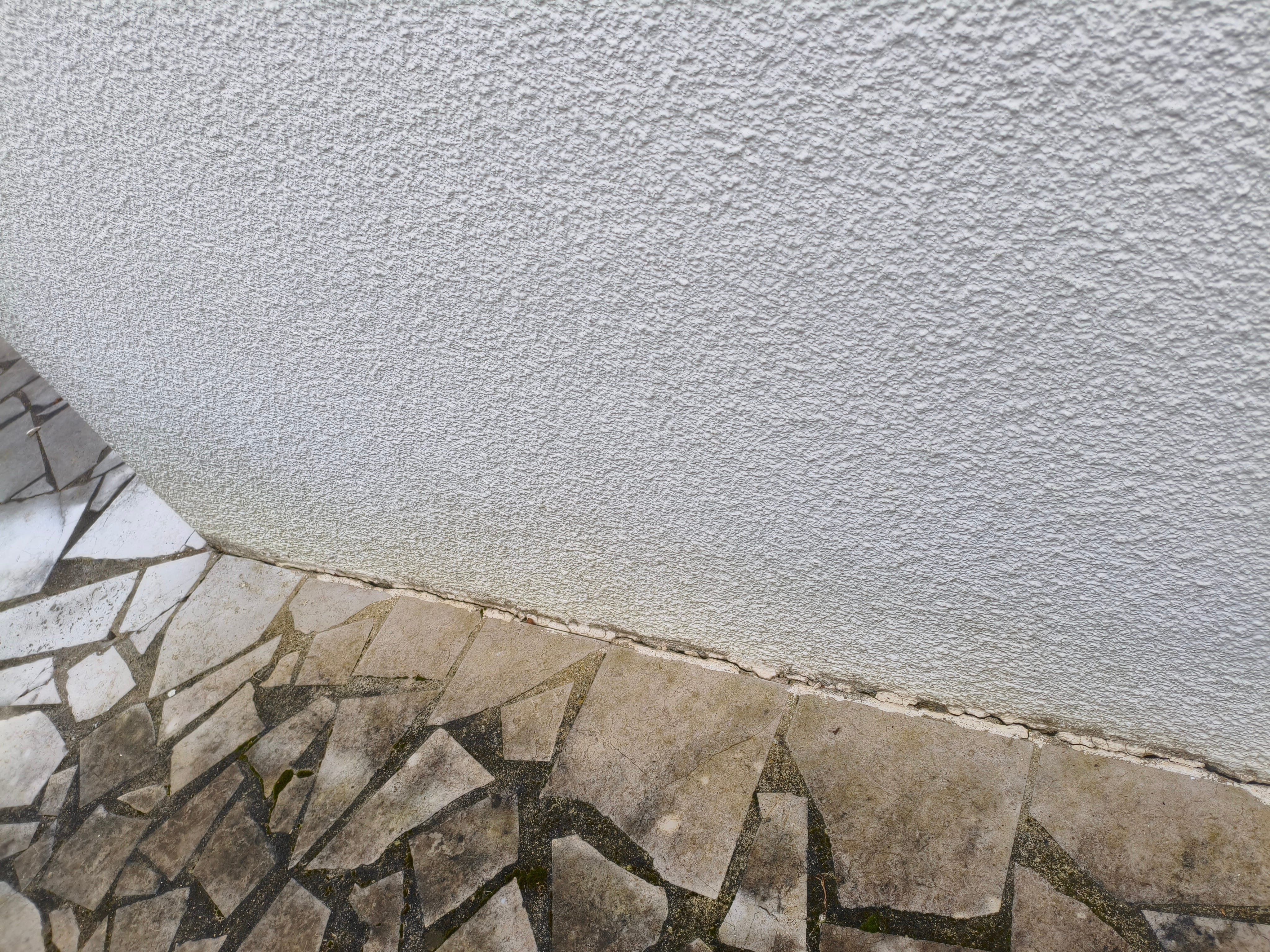
Maybe the house has cracks.
Maybe every old house does.
Maybe the point is not to panic at every crack, but to understand which ones matter.
Some cracks are cosmetic.
Some need repair.
Some reveal movement underneath.
Maybe relationships are like that too.
A disagreement is not always a disaster.
A tense conversation is not always a sign of collapse.
A difference in temperament is not always incompatibility.
But some cracks should not be ignored.
Feeling unsupported.
Feeling dismissed.
Feeling afraid.
Feeling alone inside a shared decision.
Those things matter.
They need attention before they widen.
And maybe that is what this season is teaching me.
A house cannot be renovated only with tools.
And a relationship cannot be repaired only with love.
Both need diagnosis.
Both need patience.
Both need honest work.
Both need people willing to look closely and say:
What is surface?
What is structural?
What needs care before it gets worse?
I do not have a perfect ending for this.
The renovation has not started fully.
The tension is still there.
The doubts are still there.
The quotations are still confusing.
The support does not always feel steady.
And I am still trying to find the line between courage and stubbornness.
Between responsibility and overreach.
Between proving myself and protecting us.
Maybe that is why I had to write this.
Because sometimes The Rebuild Project is not about the clean lesson after the storm.
Sometimes it is about standing in the middle of the dust while the questions are still unresolved.
Sometimes rebuilding looks like a man sitting with renovation plans, contractor quotes, family pressure, marital tension, and a baby boy in the next room, wondering how to carry all of it without turning hard.
That is where I am.
Not finished.
Not certain.
Still trying.
Still learning.
Still hoping that the house we bought becomes more than a project.
That it becomes a place where we learn how to stand together under pressure.
A place where my son grows up feeling not only sheltered, but safe.
A place where my wife feels protected, not dragged into my ambition.
A place where I feel trusted, not constantly doubted.
A place where the walls are repaired, yes.
But so are the conversations.
Because maybe the real renovation is not only electricity, painting, insulation, parquet, windows, and kitchen.
Maybe the real renovation is learning how to rebuild without making the people you love feel like collateral damage.
Maybe it is learning that a home is not something you impose through will.
It is something you create through trust.
One decision.
One conversation.
One repaired misunderstanding at a time.
And maybe, if we are patient enough, honest enough, and humble enough, we will one day stand inside that house and remember this season differently.
Not as the season that broke us.
But as the season that showed us what still needed care.
This is the quiet rebuild.
If this reflection met you somewhere familiar, you can find more of my work here:
Private Rebuild Sessions are open.
“Success” can kill.